
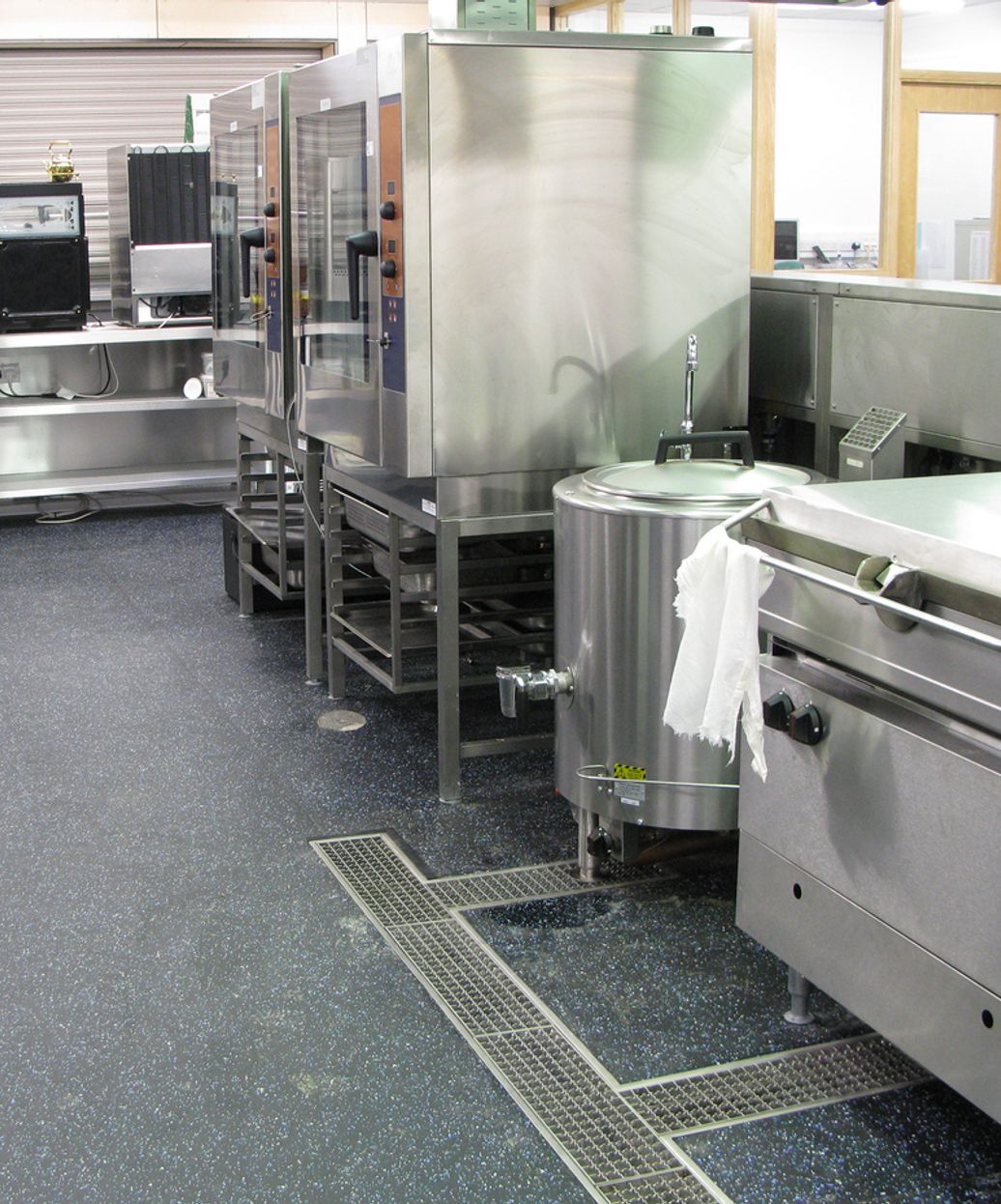
Industrial Concrete Flooring Systems for Manufacturing Facilities
Repair, Coatings, and Surface Restoration Across the Sacramento Area
Get a QuoteManufacturing facilities place constant stress on concrete floors. Forklifts, palletized loads, machinery, and long production hours create wear that builds over time. What starts as minor surface damage can turn into uneven floors, joint failure, and safety concerns that disrupt operations.
DNA Restoring Concrete provides concrete floor repair, surface restoration, and high-performance coating systems for industrial and manufacturing facilities across the Sacramento area. We focus on restoring the integrity of the slab and installing flooring systems that support daily production without becoming a maintenance issue.
Flooring That Keeps Production Moving
In a manufacturing setting, floors need to do more than hold weight. They need to remain consistent under traffic, resist surface breakdown, and allow equipment to move smoothly across the space.
When floors become uneven or damaged, operations slow down. Forklift operators adjust their routes, equipment takes on additional wear, and maintenance issues begin to stack up. Addressing floor problems early keeps production running efficiently and reduces long-term repair costs.
Common Floor Problems in Industrial and Manufacturing Environments
Impact Damage and Surface Breakdown
Manufacturing floors take repeated impact from tools, materials, and equipment. Over time, this leads to chipping, pitting, and surface wear. These areas continue to degrade if they are not properly repaired.
Oil, Grease, and Chemical Exposure
Industrial environments often involve oils, lubricants, and cleaning agents. These substances penetrate untreated concrete and weaken the surface. Once contamination sets in, the concrete begins to break down and becomes harder to repair without proper preparation.
Joint Failure and Edge Spalling
Expansion joints are one of the first areas to fail in high-traffic facilities. Forklifts and heavy equipment place pressure on slab edges, causing them to chip and break apart. This creates rough transitions that affect movement and increase wear on equipment.
Uneven Surfaces and Wear Paths
Production areas develop wear patterns where traffic is concentrated. Over time, these paths become uneven, leading to dips and ridges that impact safety and efficiency.
Concrete Floor Repair for Industrial Facilities
Removing Contaminants and Weak Surface Layers
We begin by grinding the surface to remove damaged concrete, embedded contaminants, and old coatings. This creates a clean foundation for repairs and ensures that any new system bonds properly.
Structural Crack and Surface Repair
Cracks, pitting, and worn areas are repaired before any finishing work begins. Addressing these issues early prevents further deterioration and creates a stable surface.
Joint Expansion Repair for High-Traffic Areas
We restore expansion joints by removing failed material and installing products designed to support heavy loads. This protects slab edges and helps maintain smooth transitions across the floor.
Industrial Flooring Systems Built for Performance
Epoxy Flooring for Heavy Use and Cleanability
Epoxy systems provide a durable, seamless surface that resists wear and simplifies cleaning. These systems are commonly used in production areas, storage zones, and manufacturing spaces where a consistent surface is needed.
High-Build and Impact-Resistant Coating Systems
In areas exposed to heavy machinery or frequent impact, thicker coating systems provide added protection. These systems are designed to handle more demanding conditions and extend the life of the concrete.
Polished Concrete for Dust Control and Low Maintenance
Polished concrete is often used in large manufacturing spaces where dust reduction and low maintenance are priorities. A properly polished floor reduces airborne dust and creates a more consistent working environment.
Surface Preparation and Installation Approach
Every flooring system depends on the condition of the surface beneath it. We use mechanical grinding to prepare the slab, repair damage, and create the proper profile for bonding.
Moisture conditions are also evaluated before installation. When preparation is done correctly, coatings and finishes perform as expected. When it is rushed, failure becomes more likely. Our approach focuses on long-term performance rather than short-term results.
Designed to Reduce Downtime and Maintenance
Manufacturing facilities cannot afford extended downtime. We work with facility managers to plan projects in a way that limits disruption.
In many cases, work can be phased so that sections of the facility remain operational. The goal is to complete repairs and installation efficiently while keeping production moving.
A properly restored and finished floor also reduces ongoing maintenance. Cleaning becomes easier, surfaces remain more consistent, and equipment moves more smoothly across the space.
Areas We Serve
DNA Restoring Concrete provides industrial flooring services throughout the Sacramento area and surrounding Central Valley communities.
We work with facilities in Sacramento, Stockton, Lodi, Tracy, Manteca, Elk Grove, and nearby regions. If your manufacturing operation is located within the Central Valley corridor, we are available to evaluate your facility and recommend a flooring solution that fits your needs.
FAQs About Industrial Concrete Flooring Systems
What Type of Flooring Is Best for Manufacturing Facilities?
The best flooring system depends on the type of production, traffic levels, and exposure to chemicals or moisture. Epoxy and high-build coatings are common choices, while polished concrete works well in certain environments.
Can Concrete Floors Handle Forklift and Heavy Equipment Traffic?
Yes, but only when properly repaired and protected. Reinforced coatings and joint repair help floors withstand constant heavy traffic.
How Do You Repair Damaged Industrial Floors?
We remove damaged surface layers through grinding, repair cracks and worn areas, and restore joints before applying any finishing system.
What Causes Joint Failure in Industrial Buildings?
Joint failure is often caused by repeated traffic, impact, and slab movement. Over time, filler materials break down and expose slab edges to damage.
How Long Do Epoxy Floors Last in Manufacturing Environments?
With proper preparation and maintenance, epoxy floors can last many years. Lifespan depends on usage, traffic, and environmental conditions.
Is Polished Concrete a Good Option for Factories?
In many cases, yes. Polished concrete works well in dry environments where dust control and low maintenance are priorities.
Can Work Be Done Without Stopping Production?
In many situations, yes. Projects can often be completed in phases to minimize disruption to operations.
How Long Does Installation Typically Take?
The timeline depends on the size of the area and the condition of the floor. Smaller projects may take a few days, while larger facilities may require phased scheduling.
What Maintenance Is Required for Industrial Floors?
Maintenance typically involves regular cleaning and periodic inspections. Some systems may benefit from occasional reapplication or touch-ups in high-traffic areas.
What Areas Around Sacramento Do You Serve?
We serve Sacramento and surrounding communities including Stockton, Lodi, Tracy, Manteca, and Elk Grove, along with other Central Valley locations.
Schedule a Facility Evaluation
Every manufacturing facility has different demands. We begin with a walkthrough to assess the condition of your concrete and understand how your operation runs.
From there, we provide clear recommendations so you can move forward with a flooring solution that supports your production and holds up over time.